

Readiness for Trial Is the Key to a Fair Settlement









Atlanta Car Accident Lawyer | Serious Injury Cases
Injured in a car accident in Atlanta? Proven trial lawyers handling catastrophic injury cases. Free consultation. No fee unless we win.
If you were injured in a car accident in Atlanta, a lawyer can help you recover compensation for medical bills, lost income, and pain. Serious injury cases often involve multiple insurance policies and disputed liability. An experienced Georgia trial lawyer can investigate the crash, preserve evidence, and pursue full compensation.
At Johnson & Ward, we represent people across Atlanta and North Georgia who have suffered catastrophic injuries in car crashes. With decades of trial experience, we focus on serious cases involving permanent injury, disability, or wrongful death.
Car accident claims in Georgia are rarely simple. Insurance companies act quickly to limit payouts. Critical evidence can disappear within days. Our role is to act fast enough to build stronger cases, and position every claim for maximum recovery—whether through settlement or trial.
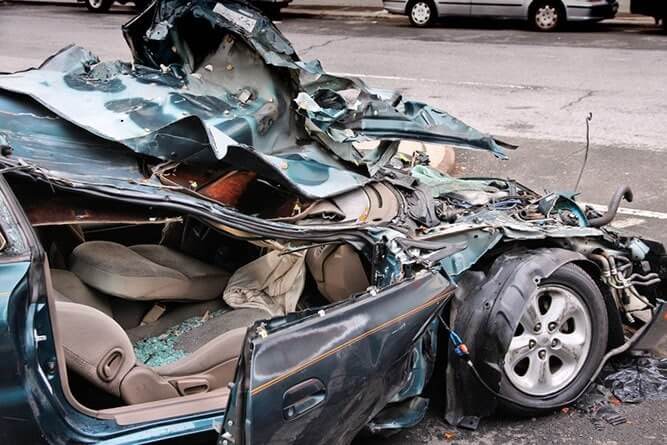
Early medical care and prompt preservation of evidence are critical. Over decades of trying serious injury cases, we have seen how quickly critical evidence can disappear.
Serious auto accidents in Atlanta often cause life-changing injuries and wrongful death. Since 1949, lawyers at Johnson & Ward have represented people severely injured in car wrecks throughout metro Atlanta and across Georgia. Rear-end collisions, intersection impacts, rollovers, and head-on crashes frequently result in neck and back injuries, traumatic brain injuries, spinal cord damage, fractures, burns, amputations, internal organ trauma, and other serious injuries.
What Does a Car Accident Lawyer Do?
A car accident lawyer investigates the crash, gathers evidence, identifies liable parties, and negotiates with insurance companies. In serious injury cases, the lawyer may work with medical experts and accident reconstruction specialists to prove damages and fault.
What Should You Do After a Car Accident in Atlanta?
After a car accident, seek medical care immediately, report the crash, and avoid speaking with insurance adjusters without legal advice. Early documentation of injuries and evidence can significantly affect the outcome of your claim.
- Get medical care immediately
- Call law enforcement
- Document the scene
- Avoid recorded statements
- Contact a lawyer early
Who Is Liable in a Georgia Car Accident?
Liability in a Georgia car accident depends on negligence. Drivers, employers, vehicle manufacturers, and even vehicle and road maintenance entities may be responsible depending on the facts of the crash.
How Much Is My Atlanta Car Accident Case Worth?
The value of a car accident case depends on injury severity, medical costs, lost income, and long-term impact. Catastrophic injury cases often involve significantly higher compensation due to permanent disability or life care needs.
H2: Georgia Car Accident Laws You Should Know
Answer Block:
Georgia follows a modified comparative fault rule. You can recover damages if you are less than 50% at fault, but your compensation is reduced by your percentage of fault.
H3:
- O.C.G.A. § 51-12-33 (comparative fault)
- 2-year statute of limitations (O.C.G.A. § 9-3-33)
H2: Types of Serious Car Accident Injuries We Handle
- Traumatic brain injuries
- Spinal cord injuries
- Severe burns
- Amputations
- Multiple fractures
- Wrongful death
H2: Why Choose Johnson & Ward?
- Former State Bar President
- National board certification in truck accident law
- Decades of trial experience
- Focus on catastrophic injury cases
6. AI-SNIPPET FAQ (10)
H2: Frequently Asked Questions
What is a car accident lawyer?
A car accident lawyer helps injured people recover compensation after a crash by handling insurance claims, proving fault, and pursuing damages through settlement or trial.
Do I need a lawyer after a minor accident?
Not always. However, if injuries develop or fault is disputed, consulting a lawyer early can protect your rights.
How long do I have to file a claim in Georgia?
You generally have two years from the date of the accident to file a personal injury lawsuit.
What if I was partly at fault?
You can still recover damages if you are less than 50% at fault, but your recovery will be reduced.
How are damages calculated?
Damages include medical expenses, lost wages, pain and suffering, and future care costs.
Will my case go to trial?
Most cases settle, but serious injury claims are often prepared as if they will go to trial.
How much does a lawyer cost?
Most car accident lawyers work on a contingency fee. You pay nothing unless the case is successful.
What if the other driver has no insurance?
You may still recover through uninsured/underinsured motorist coverage.
How long does a case take?
It depends on injury severity and complexity. Serious cases may take months to years.
Should I talk to insurance adjusters?
It is usually best to consult a lawyer before giving recorded statements.
7. SHORT ANSWER BLOCKS (AI EXTRACTION)
What is negligence in a car accident?
Negligence is the failure to use reasonable care. In car accidents, this includes speeding, distracted driving, or failing to follow traffic laws.
What damages can I recover?
You may recover medical costs, lost wages, pain and suffering, and future care expenses.
What is comparative fault in Georgia?
Comparative fault reduces your compensation based on your percentage of fault, as long as you are less than 50% responsible.
8. CONVERSION SECTION
H2: Speak With an Atlanta Car Accident Lawyer Today
If you or a loved one has suffered a serious injury in a car accident, time matters.
Evidence fades. Insurance companies build defenses quickly.
We focus on serious injury cases where the stakes are high.
Call 404-253-7862 for a free consultation.
No fee unless we win.
What Should You Do After a Serious Car Accident in Atlanta?
Prompt treatment protects both your health and your legal claim. Emergency room records often provide the first objective link between the injury and the crash. In serious injury cases, juries often focus on early medical documentation when evaluating credibility. Gaps in treatment allow insurers to argue that the injury was minor or unrelated.
In severe collisions on I-75, I-85, I-285, or GA-400, trauma may not be obvious at the scene. Brain injuries and internal bleeding sometimes present hours later. Documented early care often becomes central evidence.
Preserve Evidence Before It Disappears
In serious cases, we move quickly to send preservation letters and secure vehicles for inspection. Electronic data can be overwritten. Surveillance footage may be lost within days. Delay can permanently narrow what can be proven. It can be important to secure both drivers’ cell phones and records.
Be Careful With Insurance Statements
Do not give a recorded statement to an insurance adjuster without your lawyer. Georgia follows a modified comparative negligence system under O.C.G.A. § 51-12-33. Statements made early can affect how fault percentages are assigned. A few words can materially change case value.
Why should you obtain and review the official C\crash Report
Georgia law enforcement agencies prepare a Uniform Motor Vehicle Crash Report after reported collisions. The report is not final proof of fault, but it often shapes early negotiations. Officers may not have complete witness information at the scene, and key details sometimes emerge later. Early review of the crash report often identifies issues that warrant further investigation. A copy can usually be ordered online within a few days. In fatal crashes, the final report may take longer, particularly when the Georgia State Patrol Specialized Collision Reconstruction Team conducts a detailed investigation. Errors can be corrected with supplemental evidence if addressed promptly.
What Compensation Is Available After a Serious Car Accident in Georgia?
Georgia law allows an injured person to recover damages that fairly compensate for losses caused by a crash. These damages may include medical expenses, lost income, pain and suffering, and long-term disability. In fatal cases, Georgia wrongful death law permits designated family members to seek recovery for the full value of the life of the deceased.
What medical expenses can be recovered in a car wreck case in Georgia?
A claim may include the reasonable value of emergency care, hospitalization, surgery, rehabilitation, medication, and follow-up treatment. Serious injuries often require months or years of care. Future medical expenses are recoverable when supported by competent medical testimony. In catastrophic cases, physicians and life care planners outline projected needs. Courts require those projections to rest on evidence, not assumption.
Jurors tend to focus on clear documentation. Consistent treatment carries weight. Gaps invite attack.
Under Georgia “tort reform” laws, insurance companies may chip away at the stated amount of medical bills by showing the usual, customary, and reasonable amount or the amount typically paid by an insurance company. This may drive tactical decisions in the trial of a case.
What can be recovered as lost income, diminished earning capacity after a Georgia car crash?
If injuries prevent a person from working, lost wages are recoverable. When an injury limits future work ability, the law permits recovery for diminished earning capacity. Future income claims usually require expert testimony. Vocational experts assess work restrictions. Economists calculate projected lifetime losses based on age, work history, and expected career path. As proof of lost income can be imprecise, Georgia law also allows damages for loss of ability to labor and earn money as an element of mental pain and suffering.
What can be recovered for pain and suffering in a Georgia auto accident case?
Georgia law does not provide a formula for pain and suffering. It is determined by “the enlightened conscience of a fair and impartial jury.” While some people refer to “3x medical bills,” that is not a standard. There is no chart and no fixed multiplier. The measure is what fairly compensates for the physical pain and the human consequences of the injury.
Jurors consider severity, duration, permanence, and how the injury affects daily life. Chronic pain, cognitive impairment, loss of independence, and loss of normal activities matter. Witnesses outside the family who have observed when the injured person did not know anyone was watching can be golden.
At trial, credibility is the key in this evaluation. Medical records, testimony, and consistency over time may shape the verdict.
Permanent Disability and Life-Changing Injury
Permanent impairment can substantially increase the value of a claim. Paralysis, traumatic brain injury, severe orthopedic trauma, and amputation require long-term support.
Physicians can assign impairment ratings. Life care planners then project future needs. Economists can translate those needs into present value.
These cases demand disciplined preparation. Overstatement harms credibility. Clear evidence persuades.
Wrongful Death Damages Under Georgia Law
Georgia’s wrongful death statute allows recovery for the “full value of the life” of the deceased, measured from the perspective of the person who died. This includes both economic components, such as lost lifetime earnings, and intangible components, such as the loss of enjoyment of life.
A separate estate claim may seek recovery for medical expenses incurred before death, funeral expenses, and conscious pain and suffering prior to death.
Wrongful death cases are governed by specific statutory rules regarding who may file the claim and how any recovery is distributed.
What Insurance Coverage Applies in Georgia Car Accident Cases?
Most car accident claims are paid through insurance. Coverage may include the at-fault driver’s liability policy, your own uninsured or underinsured motorist coverage, medical payments coverage, and, in serious cases, excess or umbrella policies. Identifying every available layer of coverage early often determines the practical value of a claim.
Liability Insurance of the At-Fault Driver
Georgia requires drivers to carry minimum liability insurance. Those minimum limits are often inadequate in serious injury cases.
Georgia law permits a claimant to request disclosure of available liability coverage before filing suit. That request must be properly framed and directed to the correct insurer to obtain complete and accurate information.
When injuries are substantial, confirming additional insurance coverage becomes critical. Additional coverage may apply if:
- The driver was acting within the scope of employment
- The vehicle was owned by a company
- A commercial auto policy applies
- A rideshare platform provides contingent coverage
Determining employment status and vehicle ownership can significantly affect available insurance limits.
Uninsured and Underinsured Motorist Coverage
Uninsured motorist coverage protects you when the at-fault driver has no insurance. Underinsured motorist coverage applies when liability limits are insufficient to fully compensate the injury.
Georgia permits different forms of uninsured motorist coverage, including “add-on” policies that may increase available limits. The language of the policy controls how coverage applies and whether benefits stack.
In serious injury cases, underinsured motorist coverage often makes the difference between partial recovery and full compensation.
Medical Payments Coverage
Medical payments coverage, commonly called MedPay, may pay medical expenses regardless of fault. It typically applies in modest amounts but can assist with early emergency treatment bills.
MedPay does not require proof of negligence. It can provide short-term financial relief while liability issues are resolved.
Excess and Umbrella Policies
Some drivers and companies carry umbrella or excess policies that provide coverage above primary auto limits.
In catastrophic injury or wrongful death cases, excess coverage can be decisive. Disclosure of umbrella coverage may require formal written demand and, in some cases, litigation.
Identifying umbrella policies requires careful investigation of employment relationships, corporate structure, and asset ownership.
Why Early Coverage Investigation Matters
In complex cases, coverage may exist in multiple layers. A driver may have a primary auto policy. An employer may carry a commercial policy. A company vehicle may be insured under a fleet policy. In trucking cases, separate coverage may apply to the tractor, trailer, and broker. An umbrella policy may sit above those limits.
Liability may extend beyond the driver. Claims sometimes arise against maintenance contractors, tire suppliers, product manufacturers, or other third parties. In intermodal trucking cases, an ocean carrier that hired a trucking company to transport a container may also become part of the coverage analysis.
Failure to identify every available source of coverage early can limit recovery options. Once policies are tendered or assets are exhausted without full investigation, opportunities may be lost.
In serious injury and wrongful death cases, careful analysis of insurance structure often determines whether full compensation is realistically achievable. In complex litigation, coverage analysis shapes strategy from the outset.
Frequently Asked Questions About Atlanta Car Accident Claims
How Much Is My Atlanta Car Accident Case Worth?
The value of a car accident case depends on the severity of the injury, the clarity of fault, the available insurance coverage, and the long-term impact on work and daily life. There is no fixed formula. It is doubtful that anyone, on first impression, can give you a reliable number. Careful evaluation of medical evidence, earning capacity, and liability determines realistic value. Serious cases involving permanent injury, clear fault, and adequate insurance tend to carry greater value than temporary injury cases with disputed liability. Accurate documentation and credible expert testimony often shape the outcome.
How Long Do I Have to File a Lawsuit After a Car Accident in Georgia?
In most cases, Georgia law requires a personal injury lawsuit to be filed within 2 years of the date of the crash. Claims against government entities may require much shorter deadlines to give written pre-suit notice of the claim. Missing a deadline can permanently bar recovery.
Statute of limitations rules can vary depending on the facts. The deadline to file suit may be extended while a criminal or traffic charge is pending, but be careful. Claims involving minors, estates, or government defendants require careful attention to timing. Your lawyer can advise you on that after looking at the details of your case.
Do Most Car Accident Cases Go to Trial?
Most car accident cases resolve before trial, but serious injury cases must be prepared as if they will be tried. Insurance companies evaluate risk based on the strength of evidence, trial readiness, and reputation of the lawyers.
Disciplined preparation often influences settlement discussions. When a case cannot be resolved fairly, trial remains an option.
What If I Was Partly at Fault for the Crash?
Georgia follows a modified comparative negligence rule. If you are less than 50 percent at fault, you may still recover damages, but any award will be reduced by your percentage of responsibility. If you are 50 percent or more at fault, recovery is barred.
Accurate reconstruction of the collision and careful review of statements often influence fault allocation.
What If the Other Driver Had No Insurance?
If the at-fault driver has no insurance, your uninsured motorist coverage may apply. Underinsured motorist coverage may also provide additional recovery when liability limits are low.
Policy language controls how these benefits apply. Early review of your auto policy is important in serious cases.
Will My Own Insurance Rates Increase If I Make a Claim?
Georgia law restricts insurers from increasing premiums solely because you make a claim when you are not at fault. However, policy terms and underwriting practices vary.
Understanding how your specific policy treats claims can help avoid surprises.
Do I Need a Lawyer for a Serious Car Accident?
Minor property damage claims may not require counsel. Serious injury cases involving significant medical treatment, disputed fault, or complex insurance coverage usually benefit from experienced legal representation.
A former client explained the value of hiring a knowledgeable attorney like this: “After having to have a hole drilled in an automobile part at a machine shop 10 years ago, I told my uncle I could have done that. My uncle replied, ‘You are doing this once these guys do it every day.’ That simply means if you don’t know where to turn, get help and get an expert.”
Early investigation, preservation of evidence, and coverage analysis can materially affect the outcome.
What Does It Cost to Hire a Car Accident Lawyer?
Most serious car accident cases are handled on a contingency fee basis. That means attorney fees are paid from any recovery, not upfront. If there is no recovery, there is typically no attorney fee.
Fee arrangements should be clearly explained in writing before representation begins.
What types of car accidents most often cause serious injuries in Atlanta?
In Atlanta, the most serious injuries and wrongful deaths most often arise from rear-end collisions, side-impact (T-bone) crashes at intersections, head-on collisions, rollover accidents, and head-on collisions. High traffic volume, frequent congestion, and distracted or impaired driving increase the risk and severity of these crashes.
Why are rear-end collisions so dangerous at highway speeds?
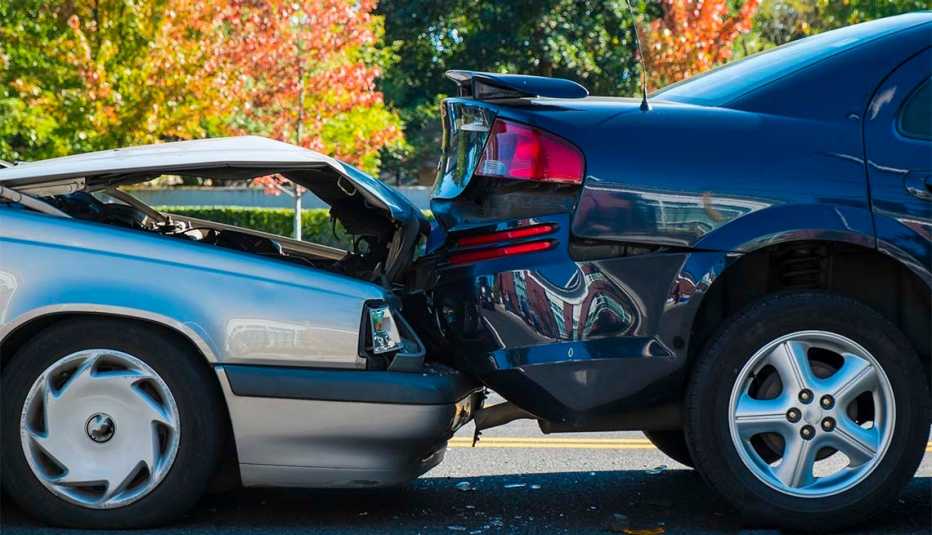
Rear-end collisions often occur when traffic slows unexpectedly and a following driver is distracted, impaired, or traveling too fast. At highway speeds, the force of impact can cause severe neck, spine, and brain injuries, particularly when a vehicle is struck without warning.
What injuries are most common in Atlanta automobile accident cases?
Common injuries include traumatic brain injuries, spinal cord injuries (paraplegia or quadriplegia), neck and back injuries, fractures, internal organ damage, amputations, cardiac injuries, and psychological trauma such as post-traumatic stress disorder (PTSD). Fatal injuries may give rise to wrongful death claims under Georgia law.
How does Georgia law define wrongful death after a car accident?
Georgia wrongful death law allows designated family members to seek recovery for the full value of the life of the deceased, including both economic and non-economic components. Separate claims may also exist for the deceased person’s medical expenses, pain and suffering before death, and funeral costs.
Why is it important to act quickly after a truck accident?
In truck accident cases, key evidence—such as “black box” electronic data, driver logs, and maintenance records—may be destroyed or overwritten within weeks or months. Early investigation is often essential to preserve evidence and determine liability.
How are medical bills typically paid after a car accident?
Medical bills are usually paid first through health insurance, which often results in lower overall charges. Medical payments (MedPay) coverage under an auto policy may also apply help with embualance and emergency room bills. If insurance is unavailable, some providers may agree to treat under a medical lien, deferring payment until the claim is resolved.
Can psychological injuries like post-traumatic stress disorder (PTSD) be part of an auto accident claim?
Yes. PTSD can be a legitimate injury following a severe or life-threatening crash. Proper diagnosis and documentation are critical, and claims should reflect the condition’s actual severity and impact. But exaggeration is dangerous.
Johnson & Ward, established in 1949, was Atlanta’s first personal injury specialty law firm. Call today at (404)253-7862 to schedule a free consultation. We handle car and truck accidents, falls, and serious injury claims, and we only get paid if we win.
Ken Shigley, senior counsel, former president of the State Bar of Georgia, was the first Georgia lawyer to earn three board certifications from the National Board of Trial Advocacy: Truck Accident Law, Civil Trial Practice, and Civil Pretrial Practice. He was the lead author of eleven editions of Georgia Law of Torts: Trial Preparation and Practice, and received the Traditions of Excellence Award from the State Bar of Georgia General Practice and Trial Section. B.A., Furman University; J.D., Emory University Law School; Certificates in mediation and negotiation, Harvard Law School. “Best Lawyers in America” (2024); Tradition of Excellence Award for Lifetime Achievement (2019); Board of Regents, Academy of Truck Accident Attorneys (2015-21); Diplomate, National College of Advocacy (2017); National Board of Trial Advocacy, Board Certification in Truck Accident Law (2019); National Board of Trial Advocacy, Board Certification in Civil Pretrial Advocacy (2012); National Board of Trial Advocacy, Board Certification in Civil Trial Advocacy (1995); Chair, American Association for Justice (AAJ) Motor Vehicle Collision, Highway & Premises Liability Section (2015-16)( included over 2,500 trial lawyers in all 50 states and specialized litigation groups on Trucking Litigation, Bus Litigation, Traumatic Brain Injury, Spinal Cord Injury, Motorcycle Litigation, Bicycle Litigation, Resort Torts Litigation and Inadequate Security Litigation); Criminal Justice Reform Council, appointed by Governor Nathan Deal (2011-13); Commission on Continuing Lawyer Competency (2012-13); Chief Justice’s Commission on Professionalism (2011-12); Georgia Commission on Dispute Resolution (2011-12); Georgia Courts Automation Commission (2008-10); Judicial Council of Georgia Standing Committee on Technology(2015-20); National Conference of Bar Presidents (2010-13); Southern Conference of Bar Presidents (2010-13); Chair, State Bar of Georgia Insurance Law Section (1994-95); Chair, Georgia Insurance Law Institute (1994); Peer ratings: “AV” in Martindale-Hubbell, Bar Register of Preeminent Lawyers (since 1995), “Super Lawyers,” “Legal Elite” (Georgia Trend), Avvo 10.0, “Who’s Who in Law” listing in Atlanta Business Chronicle; Chapter author – Handling Motor Vehicle Accident Cases (Thompson Reuters West)
John Adkins, managing partner, is experienced in personal injury law, including auto accidents, truck accidents, wrongful death, workers’ compensation, premises liability claims, dangerous or defective products, medical malpractice, and related Plaintiff’s tort litigation. B.A., magna cum laude, Kennesaw State University; J.D., Thomas Jefferson Law School.
Ed Stone, partner, personal injury law, including truck accidents, auto accidents, wrongful death, workers’ compensation, premises liability claims, dangerous or defective products, medical malpractice, and related Plaintiff’s tort litigation. B.B.A., Kennesaw State University; J.D., John Marshall Law School.