

Readiness for Trial Is the Key to a Fair Settlement








Trucking Accidents in Georgia
Truck accident victims in metro Atlanta often have urgent questions about their rights, next steps, and how these cases really work under Georgia and federal trucking law.
See also our information on concrete mixer truck accidents, dump truck accidents, log truck accidents, tire and wheel off truck accidents, truck accidents in bad weather, and reasons to file a truck accident case in Georgia.
What makes a truck accident case different from a regular car accident?
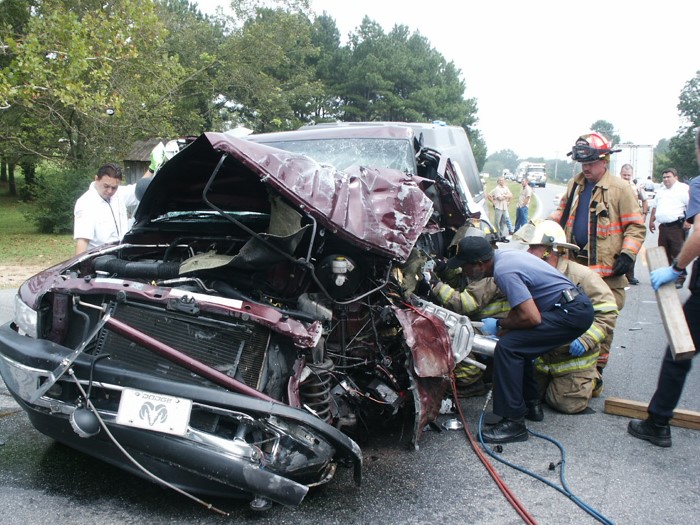
Commercial truck crashes are governed by a dense web of federal safety rules, Georgia regulations, and industry standards that simply do not apply in ordinary car wreck cases. These claims often involve complex technology, multistate investigations, and layers of insurance coverage that many general personal injury firms never confront.
Why are injuries from tractor‑trailer crashes often so severe?
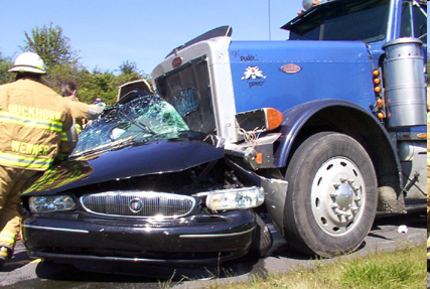
A fully loaded tractor‑trailer can weigh up to 80,000 pounds, so the kinetic energy in a collision is vastly greater than that of a typical 4,000‑pound passenger car. That extra force is why crashes with big rigs so often lead to wrongful death, traumatic brain injury, spinal cord damage, burns, amputations, and other catastrophic harm.
Who typically investigates a serious Atlanta truck wreck?
After a catastrophic crash, multiple agencies may respond, including local police, Georgia State Patrol, and specialized motor carrier enforcement officers, each generating reports, photos, and sometimes dashcam or bodycam video. At the same time, the trucking company’s insurer may send its own rapid response team with investigators, reconstruction experts, and defense counsel to begin building a defense before victims even reach the hospital.
What To Do After a Truck Crash in Georgia
What should I do right after a Georgia truck accident if I am able?
If you are physically able and it is safe, you should move your vehicle out of traffic, call 911, turn on your hazard lights, and accept an ambulance ride if first responders recommend it. You should also take quick photos of the vehicles, roadway, skid marks, and identifying markings on the truck and trailer, exchange information with other drivers, and find out how to obtain the police report.
Should I give a recorded statement to the trucking company or its insurer?
You should not give a recorded statement to the trucking company’s insurer before consulting a qualified truck accident attorney, because adjusters often aim to lock in statements that reduce or defeat your claim. Many adjusters try to lull injured people into waiting while they quietly build a defense and let critical electronic data disappear. You can just politely decline to record a statement without your lawyer present.
Why is fast legal action important in a truck case?
Key evidence can vanish quickly, including electronic control module data, driver logs, dashcam footage, and physical damage patterns on vehicles and cargo. Trucking insurers often dispatch rapid response teams to the scene immediately, so having your own lawyer acting quickly can help preserve data, locate witnesses, and stop one‑sided “spin” on what happened. If you are looking for a friend or relative who is badly hurt in a truck crash, take a good camera to the accident scene and impound lot to photograph everything from all angles.
Choosing the Right Atlanta Truck Accident Lawyer
Why not just hire any personal injury lawyer with a big billboard or TV ad?
Many high‑volume advertising firms are built to process routine car wrecks, not complex trucking litigation that demands familiarity with federal regulations, industry technology, and multi‑layered insurance. A picture of a truck on a billboard means nothing. A lawyer who does not invest the time to master trucking law and practice in federal and Georgia courts can unintentionally damage a strong case or miss significant liability theories.
What qualifications should I look for in a truck accident attorney?
You should look for a seasoned Georgia trial lawyer with deep experience in truck crash litigation, strong knowledge of the Federal Motor Carrier Safety Regulations (FMCSRs), and a track record of handling catastrophic injury and wrongful death cases. It is also important that the lawyer actually lives and practices in Georgia and is familiar with local judges, procedures, and venues rather than merely advertising for Georgia cases from another state.
Why does board certification or specialized training matter?
Board certification and national‑level trucking law training signal that a lawyer has met rigorous criteria in civil trial practice and truck accident law, beyond ordinary licensing requirements. In cases involving millions of dollars in potential exposure and sophisticated defense teams, that extra depth of expertise can affect both liability proof and ultimate recovery.
What is a trucking insurer’s “rapid response team”?
A trucking defense rapid response team typically includes a defense attorney, accident investigators, technical experts, and, sometimes, reconstruction specialists, who are dispatched to the crash scene almost immediately. Their goal is to gather favorable evidence, frame the narrative for law enforcement, and begin limiting their insured’s exposure while victims are still in shock or receiving emergency care.
How can important evidence “disappear” after a truck wreck?
Trucks may be removed from impound yards, driven out of state, or repaired before plaintiff experts can inspect them, and on‑board electronics can be overwritten or erased in normal fleet operations. Important documents can “disappear” in the confusion. Critical physical evidence, such as skid marks, debris fields, and vehicle crush patterns, can also be altered by towing, salvage operations, and weather if no one moves quickly to document them.
What can my lawyer do to preserve key trucking evidence?
An experienced trucking attorney may promptly send formal preservation letters to the trucking company, driver, and insurers, instructing them not to destroy or alter telematics, log data, cell phone contents, maintenance records, or video. Your lawyer may personally visit the scene and hire appropriate investigators or reconstruction experts to aid in the preservation and analysis of evidence, and seek a temporary restraining order in a Georgia court to keep vehicles, electronic data, and scene conditions intact until a joint inspection can occur.
Liability and Fault in Georgia Truck Crashes
Who can be held legally responsible in a Georgia truck accident?
Potential defendants include the truck driver, the trucking company, and, depending on how the crash occurred, freight brokers, shippers, cargo loaders, vehicle manufacturers, and maintenance contractors. Corporate entities may be liable not only for the driver’s negligence but also for negligent hiring, training, supervision, loading, inspection, routing, or entrustment.
How is fault determined in a Georgia truck case?
Fault is determined by comparing what happened to the standard of ordinary care and to specific safety requirements in traffic laws, FMCSRs, Georgia Transportation Safety Rules, the Commercial Driver’s License (CDL) Manual, and industry training materials. Evidence may include police reports, black box data, driver logs, phone records, maintenance files, witness testimony, and expert reconstruction of the collision dynamics.
What if the truck driver was an “independent contractor”?
In interstate trucking, federal law and regulations usually treat the driver as a “statutory employee” of the motor carrier, making the company vicariously liable even if the driver is labeled an independent contractor for tax or other purposes. Attempts by insurers to avoid responsibility by pointing to contractor labels often fail once the applicable federal trucking rules are applied.
Can multiple companies share responsibility for one crash?
Yes, responsibility can be shared among the motor carrier, a broker or shipper that controlled timing and routing, a loading company that insecurely loaded cargo, and component manufacturers or repair shops if equipment failures contributed. Identifying all responsible entities early is critical, especially where a primary trucking policy may be inadequate to cover catastrophic losses.
Role of Federal and Georgia Trucking Regulations
What federal rules apply to truck accident claims?
Most interstate freight carriers and drivers are governed by the Federal Motor Carrier Safety Regulations, which cover driver qualifications, hours-of-service limits, equipment inspections and maintenance, cargo securement, hazardous materials, and disqualification rules. Violations of these rules often serve as powerful evidence of negligence when they contribute to a crash.
Do Georgia‑only trucks follow different rules?
Intrastate trucks that operate only within Georgia must comply with similar Georgia Transportation Safety Rules, which mirror many FMCSRs but apply under state authority. These state rules, together with the Georgia CDL Manual and Georgia traffic laws, help define the standard of care for in‑state truck operations.
How are industry standards used in court?
Experienced trucking lawyers may weave together federal and state regulations with commercial driver training materials, carrier policies, and specialty industry standards to show jurors what safe trucking requires. For specialized trucks such as concrete mixers or log haulers, additional industry publications and rules can clarify the unique safety obligations in those niches.
Common Causes and Types of Truck Accidents
What are some frequent causes of serious truck crashes?
Common causes include fatigued or overworked drivers, distraction from phones and electronic devices, speeding, improper lane changes, following too closely, failure to adjust to bad weather, and poor vehicle maintenance. Improperly secured or overloaded cargo, defective tires or brakes, and inadequate driver training also contribute to many catastrophic wrecks.
How does driver fatigue factor into a truck accident claim?
Driver fatigue often stems from violations of hours‑of‑service rules, unrealistic dispatch schedules, or pressure from carriers and shippers to deliver faster. When records and electronic data show that a driver exceeded allowable hours or falsified logs, that evidence can support both negligence and, in extreme cases, punitive damages.
How does bad weather affect the legal standards for truck drivers?
Truck drivers and motor carriers have a duty to use extreme caution in hazardous weather, which may include slowing significantly, increasing following distance, or even stopping when conditions are unsafe. Failing to adjust for rain, fog, ice, or reduced visibility can violate both written rules and well‑known industry safety practices.
Evidence, Experts, and Investigation
What is an accident reconstruction expert, and when are they used?
An accident reconstruction expert analyzes physical and electronic evidence, performs scene and vehicle measurements (often with 3D scanning), and uses physics to model how the crash occurred. In major truck cases, reconstruction experts may work with illustrators to create demonstrative exhibits or videos that explain complex crash dynamics to a jury.
Is a reconstruction expert always necessary in a Georgia truck accident case?
Not every truck accident justifies the cost of full reconstruction, especially if liability is clear and damages are modest. An experienced trial lawyer can evaluate whether the potential benefit in court outweighs the substantial expense of hiring engineering experts and conducting extensive testing.
What other kinds of evidence can strengthen a truck case?
Beyond official reports, key evidence may include dashcam footage, bodycam video, surveillance recordings from nearby businesses, doorbell cameras, and phone videos posted on social media by bystanders. Interviews with first responders, canvassing for unlisted witnesses, and aerial or drone imaging of the scene can add important details not captured in the initial police file.
Insurance, Coverage, and Financial Responsibility
What minimum liability insurance must interstate truckers carry?
Interstate freight motor carriers are generally required to carry at least $750,000 in liability coverage, and $5,000,000 for hazardous materials and petroleum. Many motor carriers have more insurance. For large truck fleets, there may be substantially more coverage. In catastrophic cases with multiple deaths or life‑changing injuries, your lawyer may search for additional coverage exist through layered policies, brokers, shippers, or ocean carrier insurance in container freight operations.
How can I find out what insurance applies to my truck accident?
A skilled trucking attorney can request sworn insurance disclosures under Georgia law, identify all related insurance companies within a group, and pull carrier profile data from Federal Motor Carrier Safety Administration databases. This structured investigation helps uncover excess policies, umbrella coverage, and other sources that might not be obvious from a basic police report.
Why is a formal insurance information request so important?
Insurance companies often play “hide the ball” with insurance coverage if the question isn’t asked just right. Without a properly drafted and directed request, insurers may only disclose a fraction of available insurance coverage. A formal request under the correct Georgia statute, served on all relevant entities and notarized as required, reduces the risk that key policies remain hidden.
Comparative Fault and Your Own Conduct
Can I still recover if I was partly at fault in the crash?
Under Georgia’s modified comparative fault rule, you may still recover damages if you were less than 50 percent at fault, but your compensation is reduced by your percentage of responsibility. Insurance adjusters sometimes try to exaggerate minor mistakes by injured people into “half the fault,” but well‑prepared presentations of the evidence can prevent that distortion.
How can my own actions after the crash affect my case?
Statements you make in the immediate aftermath, gaps in medical treatment, social media posts, and premature settlement agreements can affect your recovery. Following medical advice, avoiding speculative comments about fault, and declining quick lowball settlements are essential.
Damages in Georgia Truck Accident Cases
What damages are available in a personal injury truck crash claim?
In a personal injury case, you may seek recovery for past and future medical expenses, lost wages, diminished earning capacity, pain and suffering, emotional distress, and property damage. Serious truck cases often involve complex life‑care planning, vocational assessments, and economic projections to document long‑term financial impact.
How is the value of a truck accident case determined?
Case value depends on the severity and permanence of injuries, clarity of liability, degree of fault on each side, available insurance coverage, and the documented impact on your ability to work and enjoy life. Any lawyer who throws around big numbers to sign you up is probably not giving a reliable assessment.
Can punitive damages be awarded in truck accident cases?
Punitive damages may be available in extreme cases when evidence shows willful misconduct or conscious indifference to consequences, such as extreme hours‑of‑service violations or intentional safety rule disregard. These damages are designed to penalize, punish, and deter dangerous conduct and are separate from compensation for medical bills or lost income.
Wrongful Death From a Truck Accident
Who can file a wrongful death claim after a fatal truck crash in Georgia?
Generally, the surviving spouse has the primary right to bring a wrongful death claim for the “full value of the life,” sharing the recovery with children under rules defined by Georgia statute, with the spouse never receiving less than one‑third. If there is no surviving spouse, the right moves to surviving children, then to parents, and then to other next of kin through the decedent’s estate representative.
What does “full value of the life” mean in Georgia wrongful death law?
In Georgia, juries determine the “full value of the life” from the decedent’s perspective, considering both economic and intangible aspects, such as relationships, hobbies, and the enjoyment of life. Evidence can include family testimony, work history, photos, videos, writings, and other materials that show how the person lived.
Can the estate of the deceased also bring a separate claim?
Yes, the decedent’s estate may bring a survival action for damages incurred before death, such as medical expenses, pain and suffering, and, if appropriate, punitive damages. That survival claim is separate from the wrongful death claim brought on behalf of family members for the full value of the life. Unlike the “full value of the life” wrongful death claim, which is not subject to the deceased’s debts, the estate’s claim may be subject to creditors’ claims and medical expenses.
How long do I have to file a Georgia wrongful death or injury lawsuit?
The general rule in Georgia is that you have two years from the date of the crash or the date of death to file suit, though specific tolling provisions can alter that deadline in some circumstances. Because evidence may be lost by delay, and insurers often try to lull claimants into inaction until the time runs out, it is risky to wait until the last minute to consult counsel.
Litigation Timeline and Resolution
How long does a serious truck accident case usually take?
Depending on complexity, disputes over liability and coverage, court congestion, and whether bankruptcy or insurer insolvency issues arise, a significant truck case can take anywhere from a few months to several years to conclude. Some cases settle after a well‑documented pre‑suit demand, while others require exhaustive discovery and trial scheduling before insurers negotiate seriously.
Can trucking companies delay my case?
Under Georgia “tort reform” procedures, defendants can file early motions that delay an answer and may slow progress even if the motions lack merit. A proactive trucking attorney may seek an early hearing date on defense motions, early scheduling conferences, and early setting of a trial date to keep the case on track and maintain pressure on insurers to deal fairly.
Do all truck accident cases go to trial?
No, a great many truck cases settle before trial when insurers recognize the strength of the liability evidence and the seriousness of the damages. However, having a lawyer with real trial experience and an eagerness to try the case often improves settlement leverage.
Special Categories of Commercial Truck Crashes
Are concrete mixer, dump truck, logging, and garbage truck cases handled differently?
While the core negligence principles are similar, specialized vehicles such as concrete mixers, dump trucks, log trucks, and garbage trucks come with their own industry rules, training materials, and stability or loading issues. Identifying and using those specialized standards can make a critical difference in proving negligence in these niche cases.
How are container‑freight truck cases different?
Trucks hauling intermodal shipping containers for ocean freight carriers to and from ports may involve maritime law, ocean bills of lading, and coordination between ocean carriers, freight forwarders, and inland motor carriers. Often, they use drivers who are not well screened. In certain scenarios, these relationships may open the door to additional defendants and international shipping insurance coverage that extends beyond a local trucker’s basic policy. Such cases are likely to be intensely contested. We are among the few Georgia lawyers experienced in litigating these cases.
Next Steps if You or a Loved One Was Hurt
When should I contact an Atlanta truck accident lawyer?
You should speak with a qualified Atlanta trucking attorney as soon as practical after receiving emergency medical care, before talking in detail with any insurer. Early representation allows your legal team to preserve evidence, coordinate investigations, and protect you from tactics designed to minimize your claim.
What does it cost to hire a truck accident lawyer?
Most serious truck accident cases are handled on a contingency fee basis, meaning you pay no attorney’s fee unless there is a financial recovery. Many firms also offer free initial consultations and will travel to meet severely injured clients and their families when necessary.
If you or someone you love has been injured in a truck crash in or around Atlanta, prompt, informed legal guidance can make a substantial difference in both the outcome and the peace of mind you experience during a difficult time.
Johnson & Ward, established in 1949, was Atlanta’s first personal injury specialty law firm. Call today at (404)253-7862 to schedule a free consultation. We handle car and truck accidents, falls, and serious injury claims, and we only get paid if we win.
Reviewed February 23, 2026 by:
Ken Shigley, senior counsel, former president of the State Bar of Georgia, was the first Georgia lawyer to earn three board certifications from the National Board of Trial Advocacy: Truck Accident Law, Civil Trial Practice, and Civil Pretrial Practice. He was the lead author of eleven editions of Georgia Law of Torts: Trial Preparation and Practice, and received the Traditions of Excellence Award from the State Bar of Georgia General Practice and Trial Section. B.A., Furman University; J.D., Emory University Law School; Certificates in mediation and negotiation, Harvard Law School.
John Adkins, managing partner, experienced in personal injury law, including auto accidents, truck accidents, wrongful death, workers’ compensation, premises liability claims, dangerous or defective products, medical malpractice, and related Plaintiff’s tort litigation. B.A., magna cum laude, Kennesaw State University; J.D., Thomas Jefferson Law School.
Ed Stone, partner, personal injury law, including truck accidents, auto accidents, wrongful death, workers’ compensation, premises liability claims, dangerous or defective products, medical malpractice, and related Plaintiff’s tort litigation. B.B.A., Kennesaw State University; J.D., John Marshall Law School.