
Readiness for Trial Is the Key to a Fair Settlement






Apartment Fire Injuries from Faulty Wiring in Atlanta: What Victims Need to Know
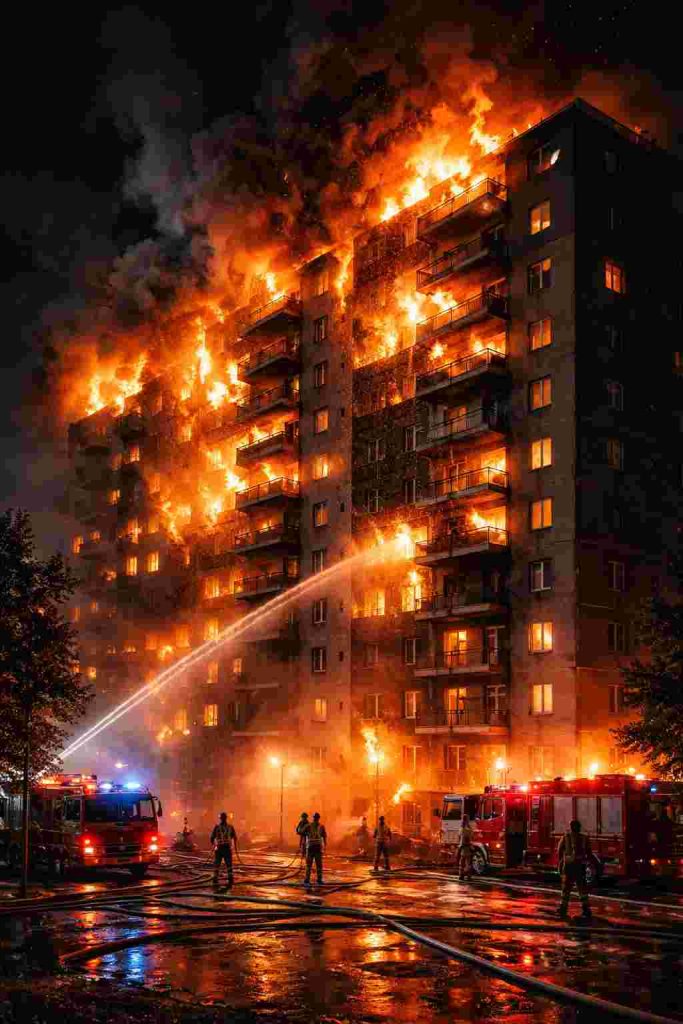
Apartment fires caused by faulty electrical wiring are a common cause of serious burn injuries. Apartment fires often result from preventable code violations, deferred maintenance, or negligent repairs. When wiring systems fail, fires spread rapidly through walls and shared structures, placing tenants at extreme risk. In Georgia, injured tenants may have strong claims against landlords, property managers, electricians, and others responsible for maintaining safe electrical systems.
What causes apartment fires from faulty wiring?
Apartment fires resulting in serious burn injuries may be caused by faulty wiring typically result from outdated electrical systems, overloaded circuits, improper repairs, or code violations. Landlords and property managers have a legal duty to maintain safe wiring. When they fail to inspect, upgrade, or repair known hazards, electrical fires can occur, leading to severe injuries or death.
In multi-unit housing, electrical hazards often develop over time and remain hidden until failure occurs. Common causes include:
- Aging aluminum or degraded copper wiring
- Improper DIY or unlicensed electrical repairs
- Overloaded breaker panels or circuits
- Failure to meet National Electrical Code (NEC) standards
- Rodent damage or insulation breakdown inside walls
- Deferred maintenance despite tenant complaints
In many Atlanta apartment fire cases, investigation reveals a pattern of ignored warning signs—frequent breaker trips, flickering lights, or prior minor fires.
Property owners can easily include in routine maintenance a check for damaged, exposed or chewed wires, a review of the breaker panel for rust, burn marks, and appropriate labeling, and test outlets for proper grounding and power. It is simple to use a voltage tester to ensure safety, checking that all electrical components are secure and functioning. All that can be done easily and cheaply without calling in an electrician.
From a litigation standpoint, these cases often hinge on proving notice and failure to act, supported by maintenance logs, inspection records, and prior tenant reports.
Who is legally responsible for an apartment fire caused by faulty wiring in Georgia?
Multiple parties may be liable for apartment fires caused by faulty wiring, including landlords, property management companies, maintenance contractors, electricians, and sometimes product manufacturers. Georgia law requires property owners to keep premises safe. Liability often depends on who controlled the wiring system and whether they failed to correct known electrical hazards.
These cases frequently involve layered liability, which is critical for maximizing recovery:
Potential defendants:
- Property owner / landlord – duty to maintain safe premises
- Property management company – operational control and maintenance oversight
- Electrical contractors – negligent installation or repair
- Maintenance vendors – improper patchwork fixes
- Developers / builders – original construction defects
- Product manufacturers – defective breakers, panels, or wiring components
Insurance layers often include:
- Primary liability policies
- Excess and umbrella coverage
- Contractor policies
- Additional insured endorsements
- Property insurance (subrogation dynamics)
An experienced attorney evaluates all available coverage sources, not just the landlord’s base policy.
What types of injuries occur in apartment electrical fires?
Apartment fires caused by faulty wiring often result in severe burn injuries, smoke inhalation, and long-term respiratory damage. Victims may suffer disfiguring burns, nerve damage, or toxic inhalation injuries. These cases frequently involve extended hospitalization, surgeries, and permanent impairment, making them among the most serious personal injury claims.
In enclosed apartment environments, injuries escalate quickly:
Common injury categories:
- Thermal burns (first to third degree)
- Inhalation injuries (superheated gases, toxic smoke)
- Carbon monoxide poisoning
- Electrical burns (if direct contact occurs)
- Orthopedic injuries from escape attempts (jumps, falls)
Burn injuries often require:
- Emergency burn unit care
- Surgical debridement and skin grafting
- Infection management
- Long-term rehabilitation and scar management
From a case valuation standpoint, inhalation injury can significantly increase damages, even where visible burns are limited.
What evidence is critical in proving a faulty wiring fire case?
Key evidence in faulty wiring fire cases includes fire origin and cause reports, electrical system inspections, maintenance records, prior tenant complaints, and code violation history. Expert analysis by fire investigators and electrical engineers is essential to establish that defective or poorly maintained wiring caused the fire.
Early investigation is decisive. Critical evidence includes:
- Fire marshal origin and cause reports
- Electrical panel and wiring analysis
- Code compliance history (NEC violations)
- Maintenance and repair records
- Tenant complaints and incident reports
- Surveillance or incident footage
Expert testimony:
- Fire origin and cause experts
- Electrical engineers
- Building code compliance experts
A key issue is often whether the fire was:
- Predictable and preventable, versus
- An unavoidable accident
Preservation of physical evidence (burn patterns, wiring remnants) is often time-sensitive and case-critical.
How much is an apartment fire injury case worth in Georgia?
The value of an apartment fire injury case depends on the severity of burns, extent of inhalation injury, long-term disability, available insurance coverage, venue, and a variety of other factors. Severe burn cases often involve substantial compensation for medical care, pain and suffering, lost income, and permanent impairment, particularly when multiple liable parties and insurance layers are involved.
Damages may include:
- Medical expenses (acute + lifetime care)
- Pain and suffering
- Permanent disfigurement
- Lost income and diminished earning capacity
- Emotional trauma and PTSD
- Wrongful death damages (if applicable)
Case value drivers:
- Extent of burn surface area
- Presence of inhalation injury
- Need for surgeries or grafting
- Permanency of scarring or disability
- Strength of liability evidence
- Depth of insurance coverage
High-value cases often arise where systemic neglect is documented across multiple tenants or units.
What should you do after an apartment fire injury?
After an apartment fire injury, seek immediate medical care, document the scene and injuries, report the incident, and avoid giving recorded statements to insurers. Early legal guidance helps preserve evidence, identify responsible parties, and protect your right to full compensation.
Practical steps:
- Get medical treatment immediately
- Photograph injuries and fire damage
- Request fire department reports
- Preserve any communication with landlord
- Do not give recorded statements to insurers
- Consult experienced fire injury counsel early
Timing matters. Critical evidence can be lost within days if not preserved properly.
Why these cases require experienced legal representation
Apartment fire cases involving faulty wiring are complex and often involve multiple defendants, technical electrical issues, and layered insurance coverage. Experienced legal counsel can identify all responsible parties, preserve key evidence, and pursue maximum compensation through strategic investigation and litigation.
These cases sit at the intersection of:
- Premises liability
- Construction defect law
- Electrical engineering standards
- Fire science
They require:
- Coordinated expert analysis
- Aggressive discovery of maintenance failures
- Strategic insurance recovery
Firms experienced in catastrophic injury litigation understand how to build these cases for maximum recovery, not quick settlement.
___________________________________________________________________________
See also our serious injury information center, and details on neck injuries, back injuries, brain injury, spinal cord injury, femur fractures, ankle fractures, eye injuries, ear injuries, amputations, leg amputation, facial scar injuries, scalp avulsion injuries, hand fracture injuries, myofascial pain injuries, foot drop, TMJ (tempormandibular joint) injuries, asbestos and silica lung illness, and syringomyelia.
If you or a family member suffered burn injuries in an apartment fire in Atlanta, you may be entitled to significant compensation.
Call 404-253-7862 or contact us online for a free consultation.
Free Consultation*: 404-253-7862 Tap Here To Call Us
Johnson & Ward, established in 1949, was Atlanta’s first best,personal injury specialty law firm. Call today at (404)253-7862 to schedule a free consultation. We handle car and truck accidents, falls, and serious injury claims, and we only get paid if we win.
A burn survivor himself, Ken Shigley knows from experience what you go through as a patient in the burn unit. Senior counsel at Johnson & Ward, he is a former president of the State Bar of Georgia, and was the first Georgia lawyer to earn three board certifications from the National Board of Trial Advocacy: He was the lead author of eleven editions of Georgia Law of Torts: Trial Preparation and Practice, and received the Traditions of Excellence Award from the State Bar of Georgia General Practice and Trial Section. B.A., Furman University; J.D., Emory University Law School; Certificates in mediation and negotiation, Harvard Law School. He began his career as an Assistant District Attorney where his prosecution experience included arson cases. He then worked a decade in an insurance law firm where he represented insurance companies in arson/fraud cases before entering plaintiffs’ practice.
John Adkins, managing partner at Johnson & Ward, is experienced in personal injury law, including premises liability claims, dangerous or defective products, wrongful death, workers’ compensation, and related Plaintiff’s tort litigation. B.A., magna cum laude, Kennesaw State University; J.D., Thomas Jefferson Law School.
Ed Stone, is a partner at Johnson & Ward, practicing in personal injury law, including truck accidents, premises liability claims, wrongful death, dangerous or defective products, and related Plaintiff’s tort litigation. B.B.A., Kennesaw State University; J.D., John Marshall Law School.